About the Memorial
Auschwitz-Birkenau Museum: history, opening hours and visitor rules
The Auschwitz-Birkenau State Museum preserves the site of the largest German Nazi concentration and extermination camp. It is a cemetery, an archive and a place of remembrance for more than 1.1 million people murdered here. This page gathers the essential background, the opening hours and the rules that apply to every visitor.
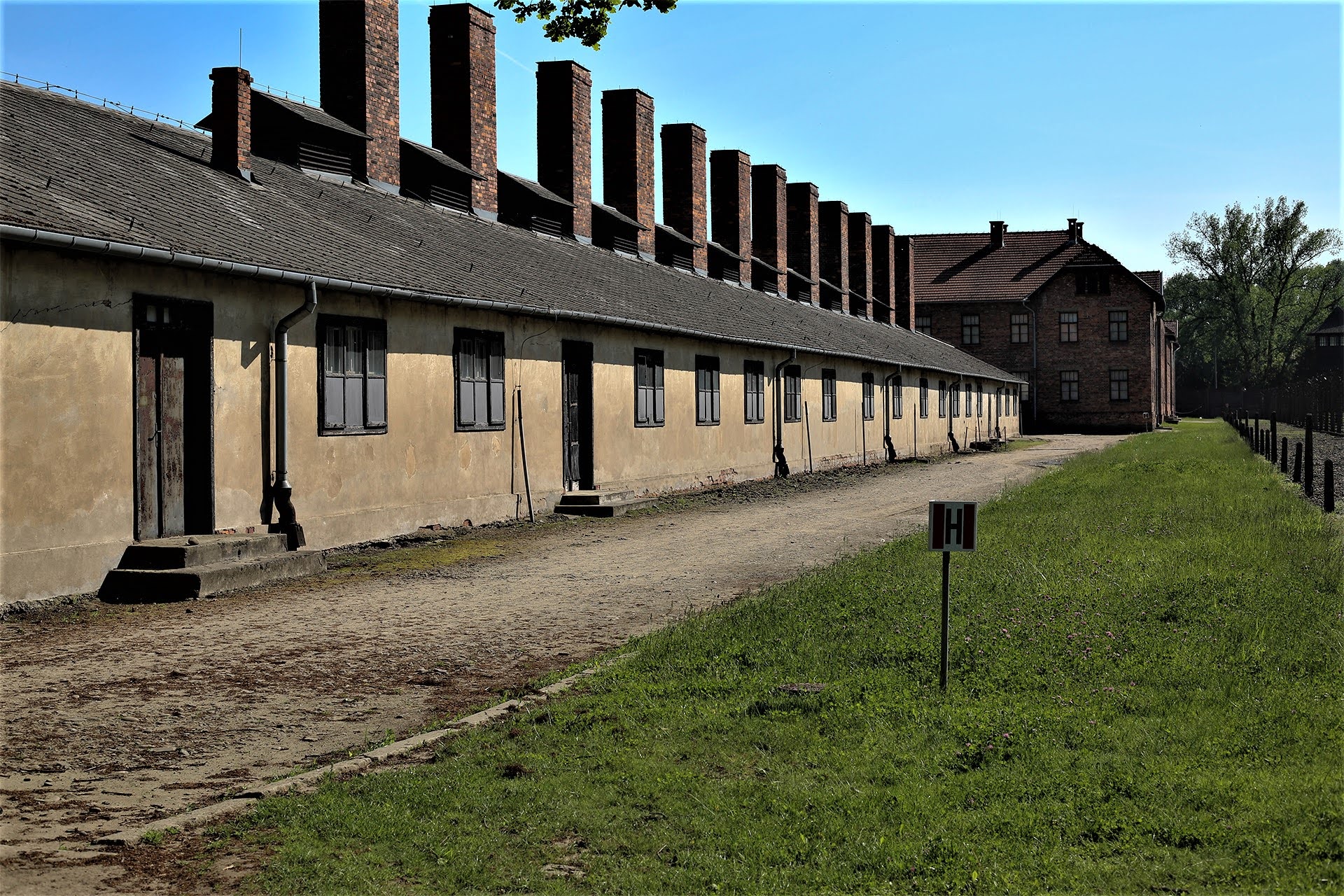
History of the camp and the Memorial
The key dates behind the site you will walk through.
1940
Auschwitz I is created
The Germans set up a concentration camp in former Polish army barracks in occupied Oświęcim. The first transport brings 728 Polish political prisoners.
1941–1942
Birkenau is built
Auschwitz II-Birkenau is constructed three kilometres away and becomes the centre of mass murder, with gas chambers and crematoria.
1942–1944
Deportations from all over Europe
Jews from more than twenty countries, along with Poles, Roma and Soviet prisoners of war, are deported here. Around 1.1 million people are killed.
27 January 1945
Liberation
Red Army soldiers liberate the camp and find about 7,000 surviving prisoners. The date is now International Holocaust Remembrance Day.
1947
The Museum is founded
The Polish parliament establishes the State Museum on the grounds of the two preserved parts of the camp.
1979
UNESCO World Heritage
The site is inscribed on the UNESCO World Heritage List as a symbol of the Holocaust and a warning for future generations.
Opening hours
The grounds open at 7:30 every day except 1 January, 25 December and Easter Sunday. The last entry is 90 minutes before closing.
Visitor rules
The Museum is a place of remembrance — the rules below are binding for everyone.
- A personalised ticket and a valid ID or passport are required at the entrance.
- All visitors pass a security check; allow at least 30 minutes for it.
- Only bags up to 30 x 20 x 10 cm may be taken in; larger luggage goes to the left-luggage point.
- Behave with the dignity the site deserves: keep quiet, dress appropriately and stay on marked paths.
- Photography for personal use is allowed, without flash or tripods; it is forbidden in the hall with the victims' hair and in the basements of Block 11.
- Eating, drinking (other than water) and smoking on the grounds are not permitted.
- Visiting is not recommended for children under 14 years of age.
- Animals, drones and alcohol are prohibited; assistance dogs are welcome.
Planning your visit
Entry is free of charge, but a booking is always required, and guided visits with a Museum educator are paid. In high season places sell out weeks in advance. If you travel with us from Krakow, the ticket, guide and transport are arranged for you.
This is not the official website of the Auschwitz-Birkenau State Museum. Hours and rules are published by the Museum and may change — always confirm them before travelling.